
お疲れ様です
Manners · 2026-11-10 · View on X
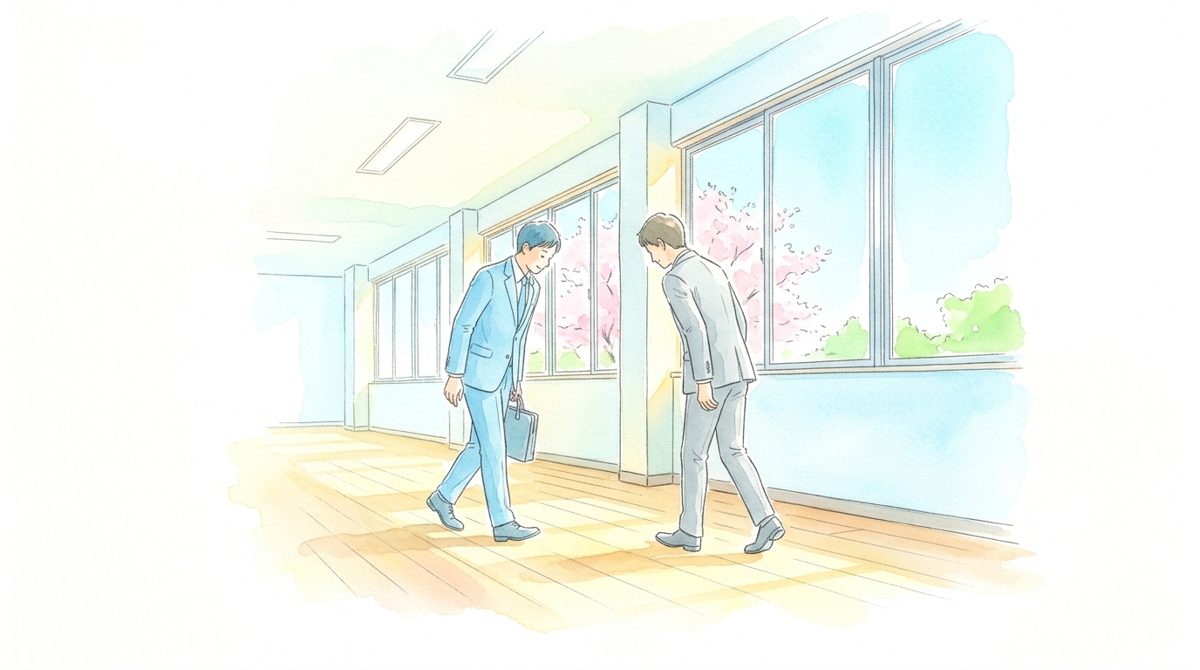
Visitors to Japan often notice office workers repeating one phrase to each other. In the hallway, at the end of the day, when someone slips out of a meeting.
Otsukaresama desu (お疲れ様です) — it contains the word for "tired," but nobody is saying they are tired. It is a soft greeting that recognizes the other person's work and shows respect.
It fills the moments where English might say nothing at all. It is used mostly among people on the inside, such as coworkers, teammates and classmates. With outsiders, the wording changes.
In Japanese workplaces, many of us say it again and again through the day. It is a small way of saying, "I see you have been working, too."
日本語訳
【日本の礼儀・習慣】お疲れ様です
日本を訪れた人は、会社で働く人たちが同じひと言を何度も交わしていることに気づきます。廊下ですれ違うとき、一日の終わり、会議を途中で抜けるとき。
お疲れ様です(otsukaresama desu)。「疲れ」という字が入っていますが、誰も「疲れた」と言っているわけではありません。相手の働きを認めて敬意を示す、やわらかいあいさつです。
英語なら特に何も言わない場面を、この言葉が埋めています。使う相手は、同僚やチームの仲間、同級生といった「内側」の人が中心です。外部の人には言い方を変えます。
日本の職場では、多くの人が一日に何度もこの言葉を口にします。「あなたも働いてきたこと、分かっていますよ」と伝える、小さな方法です。