
立て箸
Manners · 2026-11-14 · View on X
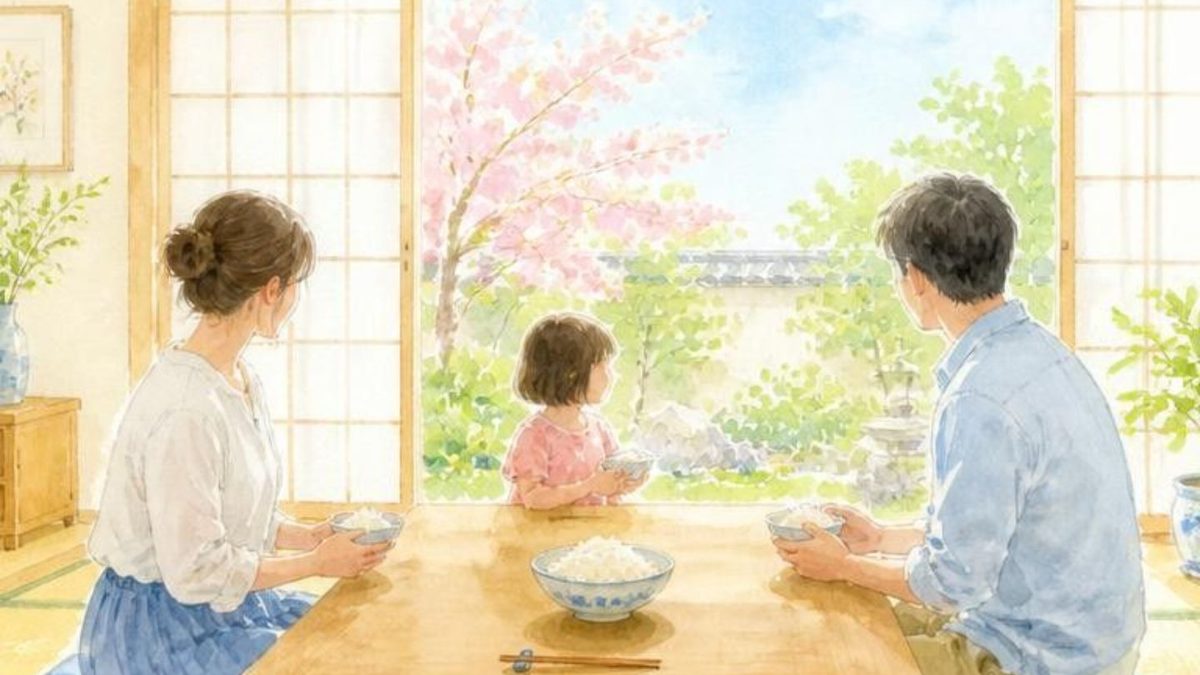
Visitors to Japan sometimes see a quick, quiet change in someone's face when chopsticks are left standing upright in a bowl of rice.
Tatebashi (立て箸) — chopsticks stuck straight up in rice. It also has another name, hotokebashi, roughly "chopsticks for the departed."
At Buddhist funerals and memorial services, a bowl of rice with chopsticks standing in it is placed on the altar for the person who has died. At an ordinary meal, the same shape brings that scene to mind. So it is seen as rude, and as bad luck.
In Japan, many of us learned this as children, often before anyone explained why. The meaning was there long before the words.
日本語訳
【日本の礼儀・習慣】立て箸
日本を訪れた人は、ご飯の茶碗にお箸が立てたまま置かれたとき、誰かの表情がさっと、静かに変わるのを目にすることがあります。
立て箸(たてばし)──ご飯にまっすぐ突き立てたお箸のこと。「仏箸(ほとけばし)」という別名もあり、おおよそ「亡くなった人のための箸」という意味です。
仏教の葬儀や法要では、亡くなった人のために、箸を立てたご飯の茶碗を祭壇に供えます。ふだんの食事で同じ形を見ると、その場面を思い出させます。だから失礼で、縁起が悪いとされるのです。
日本では、多くの人が子どものころにこれを教わります。たいていは、理由を誰かに説明してもらうより前に。言葉より先に、意味のほうがそこにありました。