
もののあはれ
Culture · 2026-11-17 · View on X
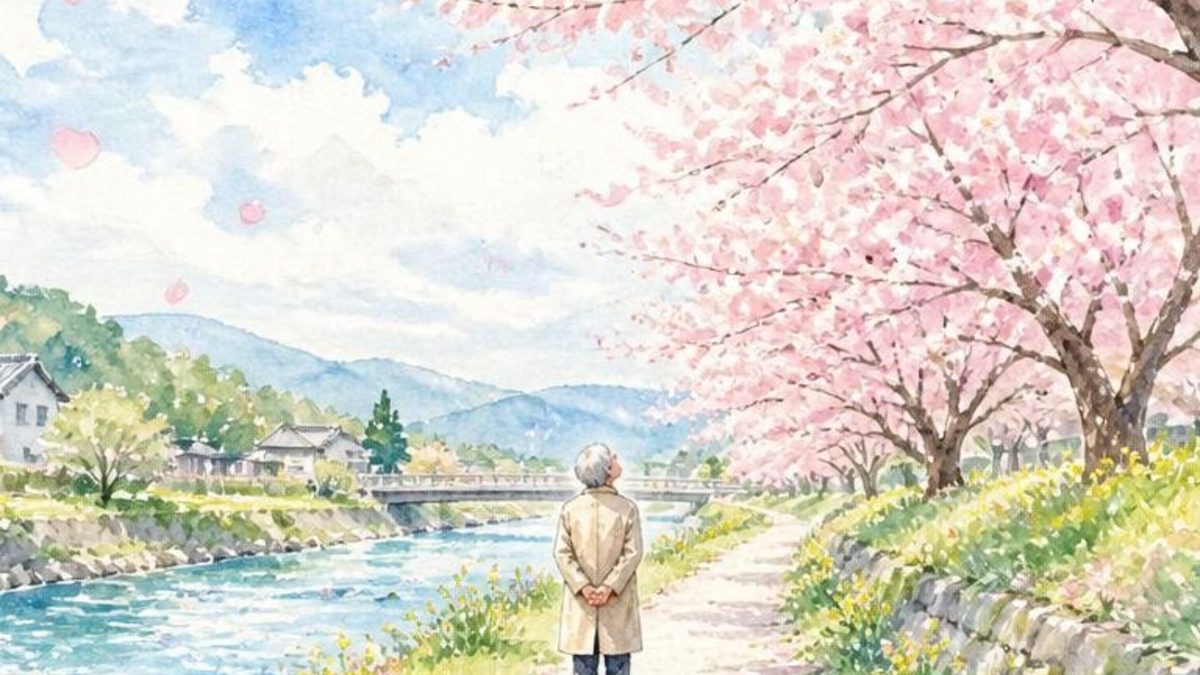
Have you ever watched cherry blossoms fall and felt something you could not quite name?
Mono no aware (物の哀れ) — often translated as "the pathos of things." It joins mono, "things," with aware, a feeling that wells up from deep inside.
An Edo-period scholar is said to have spread the word while reading The Tale of Genji. It is quieter than sadness. When we notice that everything passes, what is in front of us looks more beautiful, and that feeling stays with us in a still way. People often explain it with falling sakura, or with certain classic Japanese films.
In Japan, many of us walk under the cherry trees each spring knowing the petals will soon be gone. We go anyway, and we look a little longer.
日本語訳
【日本のことば】もののあはれ
桜が散るのを見て、名前のつけられない何かを感じたことはありますか。
もののあはれ(物の哀れ)。英語では「the pathos of things(物事のしみじみとした情感)」と訳されることが多い言葉です。「もの(物)」と、心の奥からわき上がる気持ち「あはれ」を合わせた言葉です。
江戸時代のある学者が、『源氏物語』を読み解くなかで広めたとされます。悲しみよりも静かなものです。すべてが移ろうと気づくと、目の前のものがいっそう美しく見え、その気持ちが静かに残ります。散る桜や、日本のある古典映画とよく結びつけて説明されます。
日本では、多くの人が毎年春、花びらがもうすぐ散ると知りながら桜の下を歩きます。それでも出かけて、少し長く眺めます。